An AI that writes also needs an AI that doubts
A model asked to write will write. It will not tell you which sentence it invented. The fix is not a better prompt, it is a second pass whose only job is to disagree.
A model asked for a thousand words will produce a thousand words. That is the whole problem. It has no way to signal that the fourth paragraph contains a statistic it assembled out of nothing, because to the model that sentence was generated exactly like the ones around it.
Teams usually respond by rewriting the prompt. Add "do not invent facts", add "be accurate", add three more lines of instruction. It helps a little and then stops helping, because you are asking one pass to both produce text and audit text, and those two jobs pull in opposite directions.
Separate the writer from the reader
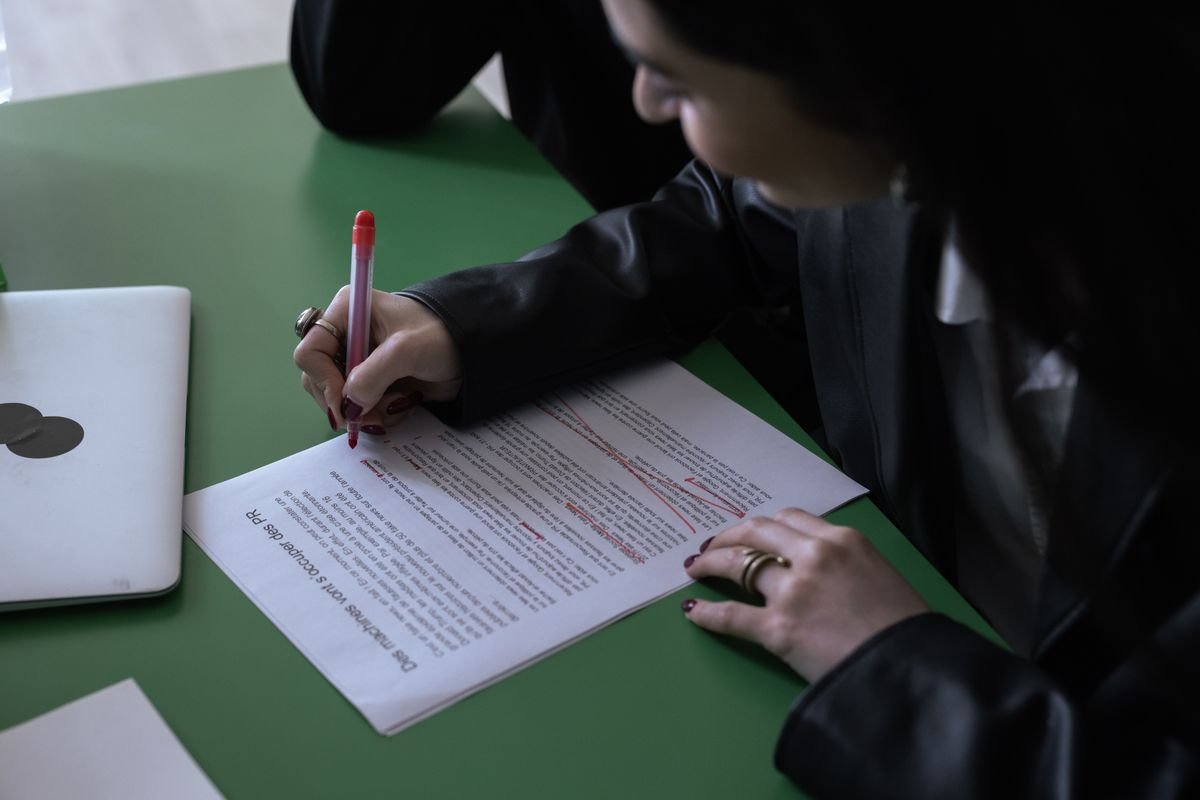
The arrangement that works is two calls, not one. The first writes. The second receives the finished draft with no memory of having produced it, and is asked a narrower question: which claims here would need a source, and does the draft provide one.
The second call is cheap, because reading is shorter than writing. It is also measurably better at the job, because a reviewer that did not write the sentence has no stake in keeping it.
Let the deterministic checks go first
Before anything reaches the critic, run the checks that need no judgement at all. Does the piece have the structure it claimed? Do both language versions have the same number of sections? Is every list the same length in both? These cost nothing and they catch a surprising share of failures.
- Mechanical rules first: length, structure, parity between languages, required fields present
- Then the critic, asked only to find claims that need a source and do not have one
- A draft that fails twice does not publish, and the job exits with an error instead of shipping quietly
The important design choice is what happens on failure. A pipeline that publishes a weak draft rather than nothing will eventually publish something you have to retract.
What this does not solve
A critic catches invented specifics. It does not make the piece worth reading, and it will not notice that the topic was a bad idea. Judgement about what to say stays with you. What you are buying is a floor under accuracy, not a ceiling on quality.
If you are running any model unattended, decide now what it is allowed to publish without a person in the room. Then build the step that enforces it, because the model will not volunteer the limit on its own.