Where software pays off for a small business in the DR
A colmado, a clinic and a ferretería do not need the same thing. But the test is the same: does this remove a step somebody is already doing by hand, every single day?
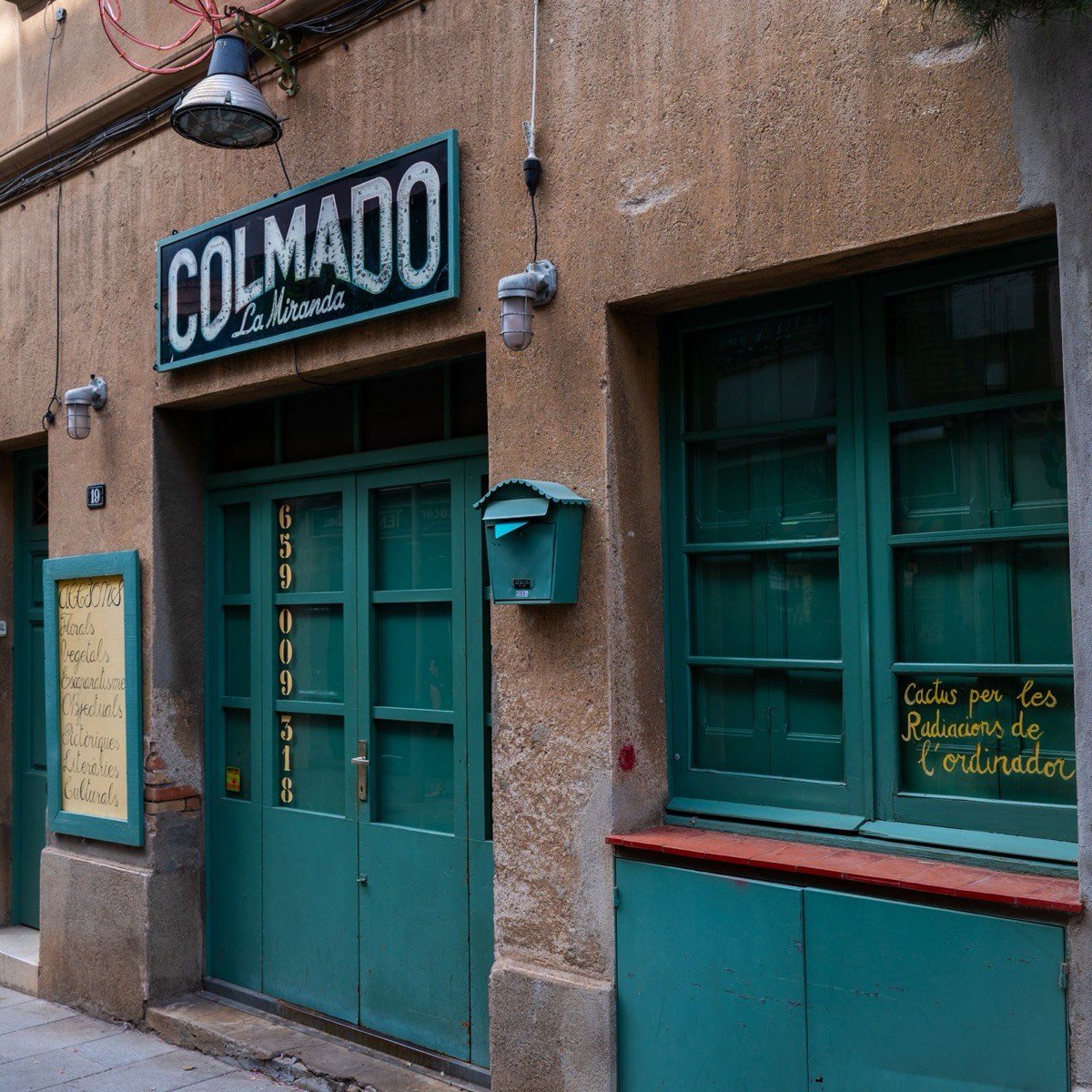
Every few weeks someone asks us for "un sistema". What they describe is usually a screen: graphs, everything in one place, a dashboard on a tablet by the register. Then we ask what actually happens on a Tuesday morning, and the answer is a WhatsApp thread, a notebook, and an Excel that somebody re-types at nine at night. The screen was never the problem. The re-typing is.
So here is the only rule worth carrying into a software conversation: pay for things that delete a repeated manual step, not for things that display information you already know. If you can already tell me your best-selling item without looking, a dashboard that tells you the same thing is decoration. If you cannot tell me how many quotes you sent last month because they all left as voice notes, that is a real gap and it has a price.
What pays for itself
The wins in a small Dominican business are boring and repetitive, which is exactly why they work. They are almost never the thing the owner is excited about. They are the thing an employee complains about on Fridays.
- Answering the same five questions on WhatsApp: hours, address, price, do you have it, do you deliver. This is the cheapest thing to automate and the one people postpone the longest.
- Appointment reminders. A clinic, a salon or a taller that sends a message the day before recovers slots that would otherwise die in silence, and it costs almost nothing per message.
- Anything you copy from one place to another. An order arrives by WhatsApp, gets written in a notebook, then typed into an invoice. Each copy is a chance to be wrong and a chance to be slow.
- Inventory, but only when the item count is high and the margin is thin. A ferretería with thousands of SKUs, yes. A colmado moving the same three hundred products, probably not yet.
- Invoicing with valid comprobantes. That one is not a preference, it is a requirement someone else set for you, and doing it by hand scales badly.
- Dashboard with graphs
- Full ERP for four people
- Custom app, no process yet
- Mobile app for your clients
- Auto-answers on WhatsApp
- Appointment reminders
- No re-typing between tools
- Invoicing with comprobantes
The honest cost framing: a well-scoped automation of one of those lines tends to land somewhere in the low thousands of pesos a month to keep running, plus whatever the build costs once. Compare that against the hours a person spends on the same task. If the task eats an hour a day of somebody you pay, the math is usually not close.
Where the answer is "not yet"
We turn down this kind of work regularly, and we have also built a couple of these before we learned better. Software freezes a process in place. If the process is still changing every week, you will be paying to change the software every week.
- A custom app when there is no repeatable process yet. Write the process on paper first and follow it for a month. If you cannot follow it, no system will make you.
- Sales prediction with eight months of history living in a notebook. There is nothing to learn from. Start by recording the data cleanly for a year.
- A full ERP for a business of four people. You will use eleven percent of it and pay for all of it.
- A customer-facing mobile app when your customers would rather write to you on WhatsApp. They already have the app installed. It is WhatsApp.
- Replacing the person who is genuinely good at the job. Automation is best at the dull eighty percent that surrounds them.
If a tool needs you to hire someone new just to keep it fed, that is not automation. That is a second job with a monthly fee.
A test you can run this week, for free
Pick one task. Count how many times a day it happens and roughly how many minutes each time. Multiply. If the answer is under thirty minutes a day, do not buy software for it yet; fix the notebook, fix the WhatsApp shortcuts, fix who is responsible. If it is over an hour a day and it is the same steps every time, you have found the thing worth quoting.
When you do buy, buy one process at a time, with a fixed price and a deadline you can see from where you are standing. Keep the manual path alive for the first month. Any vendor who tells you to shut off the old way on day one is protecting their timeline, not your business.
We keep about thirty sample interfaces at /demos, one per type of system we build. They are mock screens with invented data, not client work, and their only real use in a first conversation is pointing: this part, not that part. That is a much better start than a proposal for "un sistema".